Video publishing requires multiple resolution options since viewers are watching video on a wide range of devices and platforms. Pippit makes this production process easy, producing high-quality videos and offering flexible export after editing. A structured workflow is useful for maintaining visual consistency and for efficient distribution to multiple destinations. But it also makes for better presentation of your brand, makes for better accessibility, and makes for less duplicate production work for future campaigns.
Why Multiple Video Resolutions Matter for Modern Content
Videos are shown in various device screen sizes and resolutions. There are also preferred resolution sizes for feeds, stories, reels, and landscape uploads on social platforms. Selecting the proper resolution will help to increase loading speed on different internet connections while decreasing unnecessary buffering. The higher the resolution of the visuals, the bigger the display; smaller sizes mean optimized file sizes. Resolution planning is also consistent and helps to ensure a professional presentation in every publishing channel. The flexible exports can be reused in the future without the need to rebuild the original project. Pippit assists creators in creating polished content optimized for varied viewing environments and delivering a consistent visual quality.
Seedance 2.5 Features That Support High-Quality Multi-Resolution Outputs
Pippit’s advanced generation and editing features are all in one convenient workflow for creators. It has an AI video generator that can generate videos up to 30 seconds long. High-fidelity visuals carry the details of the subject, textures, and lighting from scene to scene. Movement in the camera as it moves through the shots makes for natural movement and smoother transitions between visual moments. Timestamp prompts to better organize important story events with scene control and pacing. Multi-modal references with greater consistency guide appearance, composition, products, and creative style—flexible background replacement after generation (green screen). Built-in editing capabilities make it easy to modify captions, enhance visuals, and customize exports for different publishing needs.
Planning AI Videos That Scale Well Across Different Resolutions
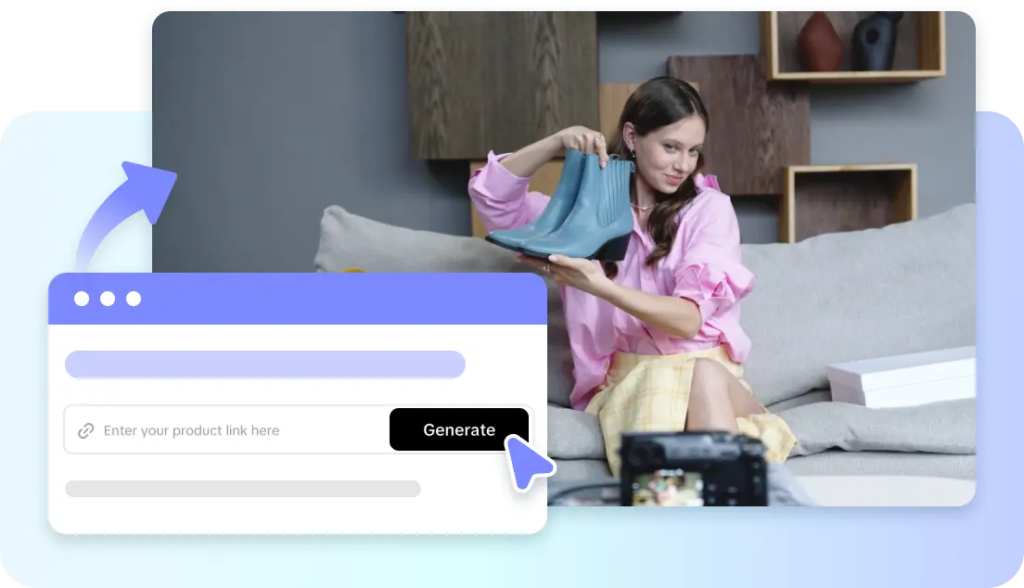
Good planning results in flexible video prior to editing and exporting. Seedance 2.5 is capable of achieving a balanced composition that will work well in multiple display formats. Avoid placing important subjects too close to edges of the frame to minimize post-production issues. Choose camera angles that highlight products, people, or actions, and don’t leave too much space. The use of the same lighting creates a sense of continuity across all the scenes produced. Simple backgrounds minimize distractions and help focus on various screen sizes. Flexible layouts also work better when switching between landscape, square, and vertical publishing modes.
Steps to Generate Multiple Resolution Versions Automatically Using Seedance 2.5
Step 1: Set up multi-resolution video creation
- Sign up for Pippit with your Google, TikTok, or Facebook account details.
- Go to the “More” tab on the left vertical menu bar and access “Video generator”.
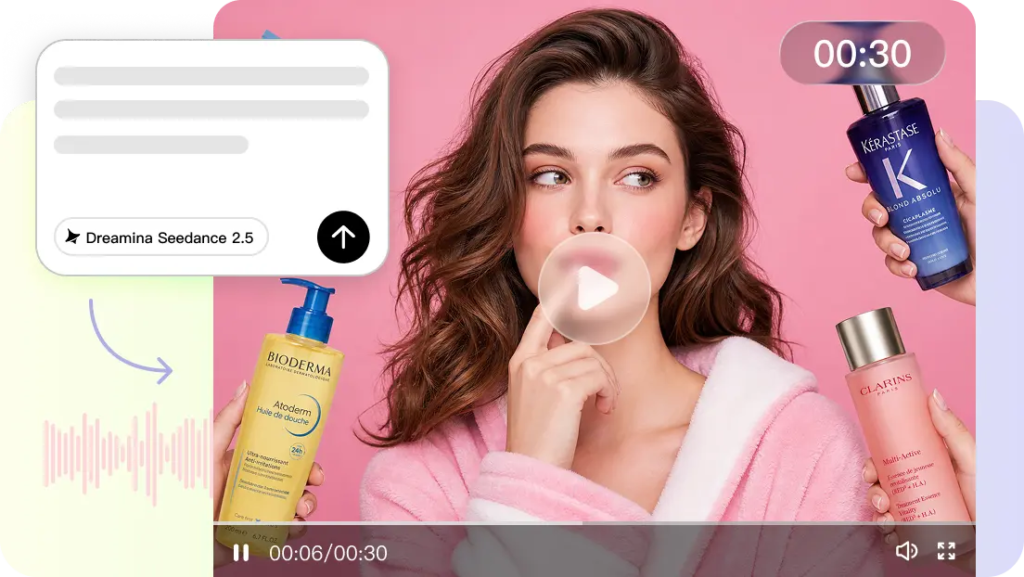
- Select “Dreamina Seedance 2.5” to create videos in different resolutions.
- Add a detailed prompt explaining your video idea, quality needs, and platform requirements.
- Choose the video length, language, subtitles, and aspect ratio.
- Click “+” to upload reference images or videos from your device, phone, Dropbox, or a link. You can also select assets if needed.
- Click “Generate” to create your video.
Step 2: Generate resolution-ready videos
- After clicking “Generate”, Pippit’s AI video generator creates a video using your prompt and reference media.
- The AI manages transitions, pacing, captions, avatars, voice, lyrics, and visual enhancements for different viewing formats.
- You will receive a draft to review before exporting versions.
Step 3: Edit and export different versions
- Click the “Download” tab to save the video. Select “Regenerate” for another result or click “Edit more” below the video for additional changes.
- Adjust captions, add text, and modify size, color, alignment, filters, and effects.
- Add background music, remove backgrounds, and refine visuals for different platforms.
- Click “Export” when finished.
- Select “Publish” to share on TikTok, Instagram, or Facebook, or click “Download” to save versions with your preferred format, resolution, frame rate, and quality.
Preparing Videos for Different Display Environments
The content created by professionals, which is specifically prepared for certain conditions before publishing, performs better. On desktop, audiences are likely to be looking for larger layouts and more detailed visuals to make the most of the screen space. Mobile-first experiences call for readable text, proper framing, and small file sizes for quicker playback. For large presentation displays, sharp exports make for clearer visuals during a meeting or event. Videos that are embedded on the website should be optimized to perform well, without sacrificing the overall look. Digital advertising placements often require platform-specific sizes and consistent branding. Organized exports also make it easy to keep internal business presentations clear and visible on conference room displays and shared collaboration systems.
Best Practices for Maintaining Quality Across Multiple Resolutions
Implementing regular production methods enhances visual quality prior to the process of producing different resolution exports.
- Utilize detailed prompts describing environments, subjects, movement, and lighting clearly.
- Submit reference images or videos for the creative direction.
- Keep key subjects of the story in the center of each scene.
- Discuss any drafts before editing and fix any obvious errors.
- Carefully optimize aspect ratios for each publishing destination.
- Make all changes before exporting to various resolutions.
Editing Considerations Before Creating Resolution Variations
Care must be taken when it comes to editing before creating multiple versions of a resolution from a master project. Tweak captions to ensure they are readable on large and small screens. Resize text without it overlapping with important visual elements. Check the general alignment of the image to ensure professional presentation in each shot. Enhance color stability for consistent color between various displays and display technologies. Look closely at the continuity of a scene, as abrupt changes will be more apparent after compression. Ensure that key items are still 100% visible in all aspect ratios and export resolutions. These refinements will be completed before export, so there will be no need for repeated editing, and consistent creative quality will be provided for each final version.
Export Strategies for Professional Multi-Platform Publishing
The key to successful publishing is to plan the export in an organized manner rather than making repeated manual changes later. Choose frame rates based on desired viewing and platform specifications. Select quality settings that optimise visual quality and file sizes for distribution. Export copies into descriptive file names that specify resolution, aspect ratio, and intended publication venue. Set up and get ready separate files for social networks based on their requirements. Keep an archive-quality master version that can be used for future editing or further export. Structured file management also makes collaboration easier, speeds up the content distribution process, and enables consistent branding across growing marketing campaigns.
Conclusion
Creating video in various resolutions enhances content flexibility on today’s publishing platforms. Pippit brings creation, editing, refinement, and export under one roof in a single workflow. Visual consistency is maintained across all versions through careful planning, thoughtful editing, and organized exporting. A structured approach to production has the added benefit of decreasing duplication of effort and enabling professional distribution for websites, presentations, advertising, and social media. Quality resolution management also helps the long-term value of each finished video job, while not sacrificing the creative quality.